What Is CMR Rating? CIBIL MSME Rank Explained for Businesses
When a business applies for credit, lenders look beyond revenue and profitability. They also want to understand how responsibly the business has managed credit in the past.
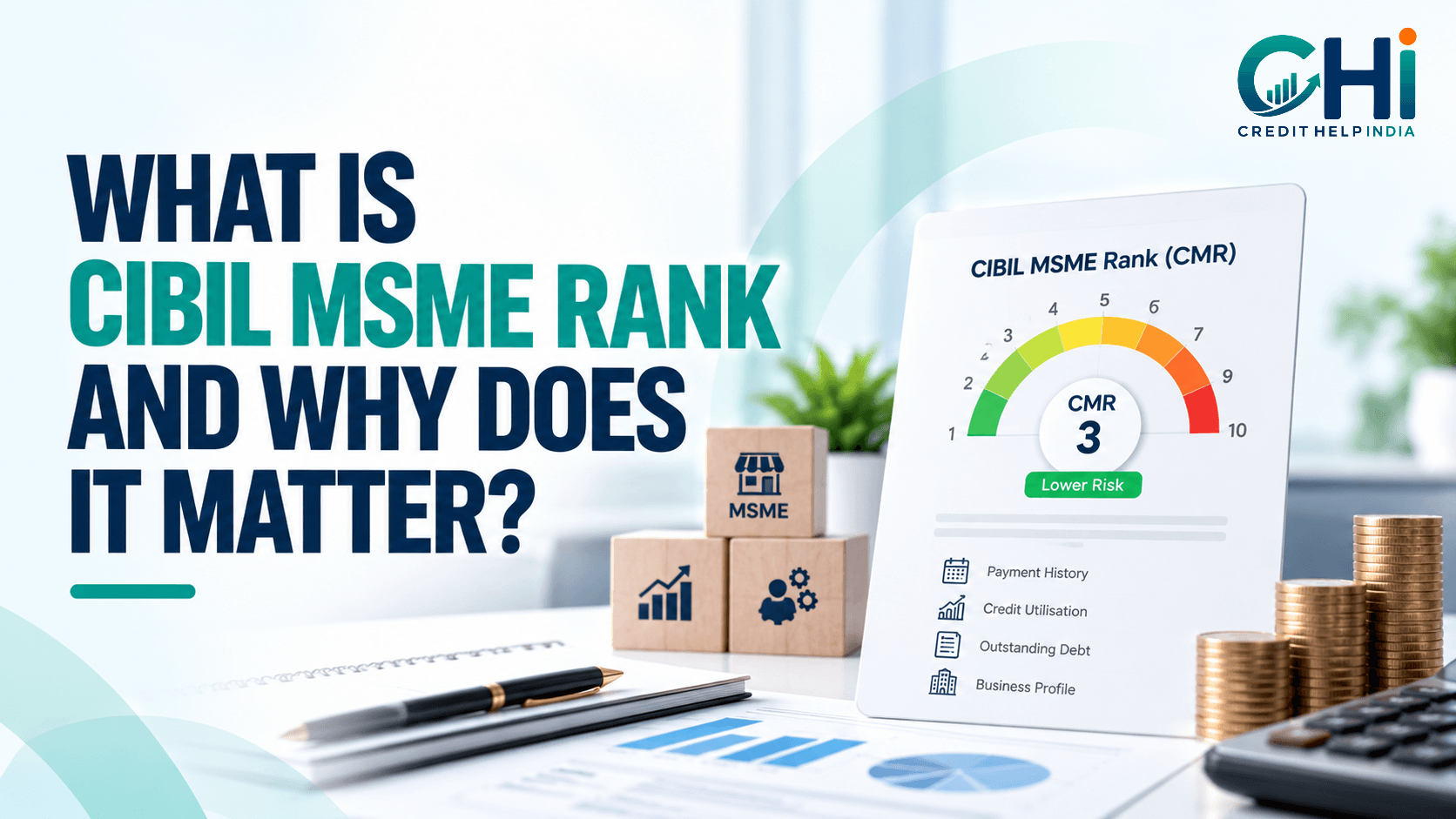
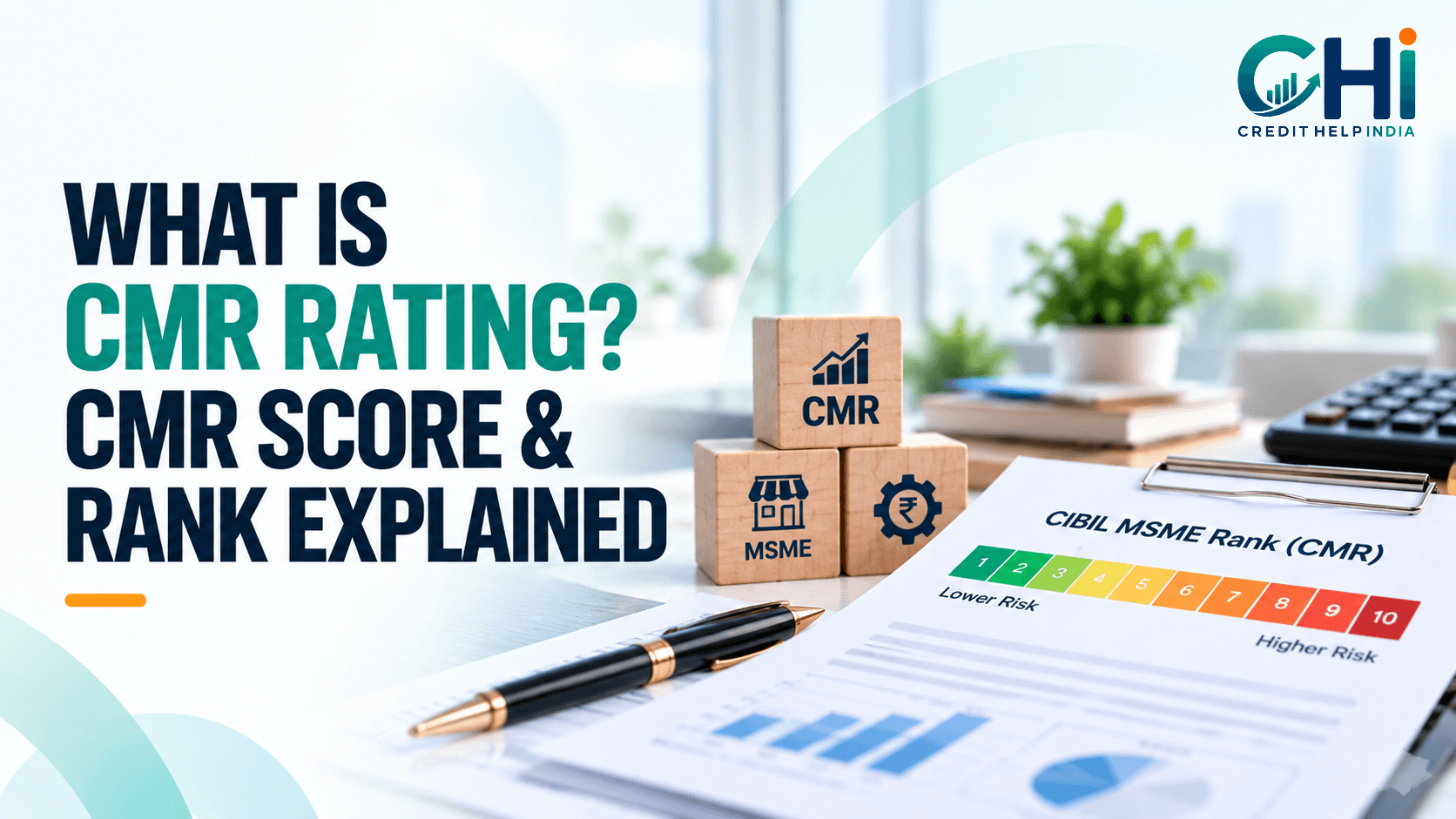
A CMR helps provide this picture. CMR stands for CIBIL MSME Rank, a ranking used to assess the credit risk of micro, small and medium enterprises. It ranges from CMR-1 to CMR-10, with a lower rank generally indicating lower credit risk.
For businesses planning to raise working capital, purchase equipment or expand operations, understanding CMR can help them better assess their business credit profile before applying for finance.
What Is CMR Rating?
A CMR rating is a business credit risk ranking associated with an MSME's credit profile. It is derived from information in the business's Company Credit Report (CCR) and helps lenders assess the risk associated with extending credit to the business.
The CMR scale runs from 1 to 10:
CMR-1: Generally indicates the lowest credit risk CMR-10: Generally indicates the highest credit risk
A lower CMR rank is therefore generally viewed more favourably. However, CMR is only one part of a lender's overall credit assessment.
What Does CMR Stand For?
CMR stands for CIBIL MSME Rank.
It is designed specifically for businesses and should not be confused with an individual's personal CIBIL score. A business owner can have a strong personal credit score while the business has a different CMR, because the two reflect different credit profiles.
This distinction becomes particularly important when an MSME applies for business credit. The lender may consider the business's credit information alongside other financial and borrower details.
How Does CMR Relate to Business Credit?
A business credit profile reflects how a company has managed its borrowing and repayment obligations.
The CMR score or rank provides a way of summarising the credit risk associated with that profile. Factors such as payment behaviour, outstanding debt, credit utilisation and credit enquiries can influence the assessment.
For example, consider a manufacturing company with multiple working capital facilities. If it consistently makes repayments on time and manages its outstanding credit responsibly, its business credit profile may present a lower level of risk.
On the other hand, repeated payment delays, high outstanding debt or frequent credit applications may indicate greater credit risk.
Understanding CMR Ranges and Their Meaning
CMR ranges from 1 to 10, with lower ranks generally indicating lower risk.
- CMR 1-4: Generally indicates lower risk.
- CMR 5-6: Generally indicates moderate risk.
- CMR 7-10: Generally indicates higher risk.
These are general risk categories, not universal lending rules. Individual lenders may apply their own eligibility criteria and risk assessment policies.
CMR vs CIBIL Score: What's the Difference?
CMR and a personal CIBIL score both relate to credit assessment, but they apply to different entities.
- Personal CIBIL Score: Applies to individuals, uses a scale of 300–900, and a higher score is generally better. It reflects individual credit behaviour.
- CMR: Applies to MSMEs and businesses, uses a scale of 1–10, and a lower rank is generally better. It reflects business credit risk.
Therefore, a business owner's personal credit score should not automatically be treated as the company's CMR.
What Factors Can Affect Your CMR?
Several aspects of a business's credit profile can influence its CMR rating.
- Payment history: Timely repayment of loans and other credit obligations demonstrates responsible credit behaviour. Delays or defaults can negatively affect the credit profile.
- Credit utilisation: Regularly using a large proportion of available credit may indicate higher credit risk.
- Outstanding debt: High levels of existing debt can affect how lenders assess the financial position of a business.
- Credit enquiries: Multiple credit applications within a short period can result in several enquiries and may influence the assessment of credit risk.
- Credit history: A consistent history of managing credit provides lenders with more - information about the business's repayment behaviour.
Business characteristics such as age, ownership type, industry and location may also form part of the broader assessment.
Why Does CMR Matter for Business Loans?
A CMR rating can be relevant when a lender assesses a business loan application. A stronger business credit profile can help demonstrate responsible credit management and may support access to credit or more favourable lending terms, depending on the lender's policies.
However, a CMR rating does not guarantee business loan approval. Lenders may also consider revenue, cash flow, existing liabilities, collateral, business stability and other eligibility criteria.
How Can Businesses Check Their CMR?
Businesses can check their CMR through their Company Credit Report (CCR). Reviewing the report can help a business understand how its credit information is being reported and identify potentially inaccurate or outdated information.
A regular CMR rating check can also help businesses identify issues before applying for additional credit.
How Can a Business Improve Its CMR?
There is no reliable overnight method for improving a CMR rating. Businesses should focus on consistent credit management.
Key steps include:
- Make loan and credit payments on time.
- Manage credit utilisation responsibly.
- Keep outstanding debt under control.
- Avoid unnecessary credit applications.
- Review the business credit report regularly.
- Dispute inaccurate credit information where necessary.
- Maintain accurate business and financial information.
The goal should be to build a stronger business credit profile over time rather than focusing only on achieving a particular rank.
Understanding your CMR rating can help you assess your business's credit position before making major borrowing decisions.
If your business is planning to apply for a loan or increase its existing credit facilities, reviewing your business credit profile beforehand can help identify areas that may need attention.
Check Your FREE Business Credit Score and CMR with Credit Help India.
FAQs
- What is a CMR rating?
A CMR rating, or CIBIL MSME Rank, is a business credit risk ranking that ranges from 1 to 10. A lower rank generally indicates lower credit risk.
- What is a good CMR rank?
CMR 1–3 is generally considered a lower-risk range, while CMR 7–10 represents higher risk. Lenders may use their own criteria when assessing applications.
- Is CMR the same as a personal CIBIL score?
No. A personal CIBIL score applies to an individual, while CMR is designed to assess the credit risk of an MSME or business.
- How can a business improve its CMR?
Timely repayments, responsible credit utilisation, controlled debt, fewer unnecessary enquiries and regular credit report checks can help strengthen a business credit profile over time.
Frequently Asked Questions
CIBIL is a repository of information that collects and maintains the data provided by Banks and NBFCs, where individual have or had loans in the past. It has information about individual past and present repayment history and the status of individual loan accounts, personal information such as individual identity information, employment history, contact information, etc. It also keeps track of all the enquiries that individual has made for credit from various banks and financial institutions.
Get your credit fixed. Open doors to better
loans, cards, and rates.
Loan rejection, low score, no credit history or starting a new business we find what's wrong and fix it.