Starting 2027 With Existing Debt: How Credit Utilisation Can Affect Your Credit Score
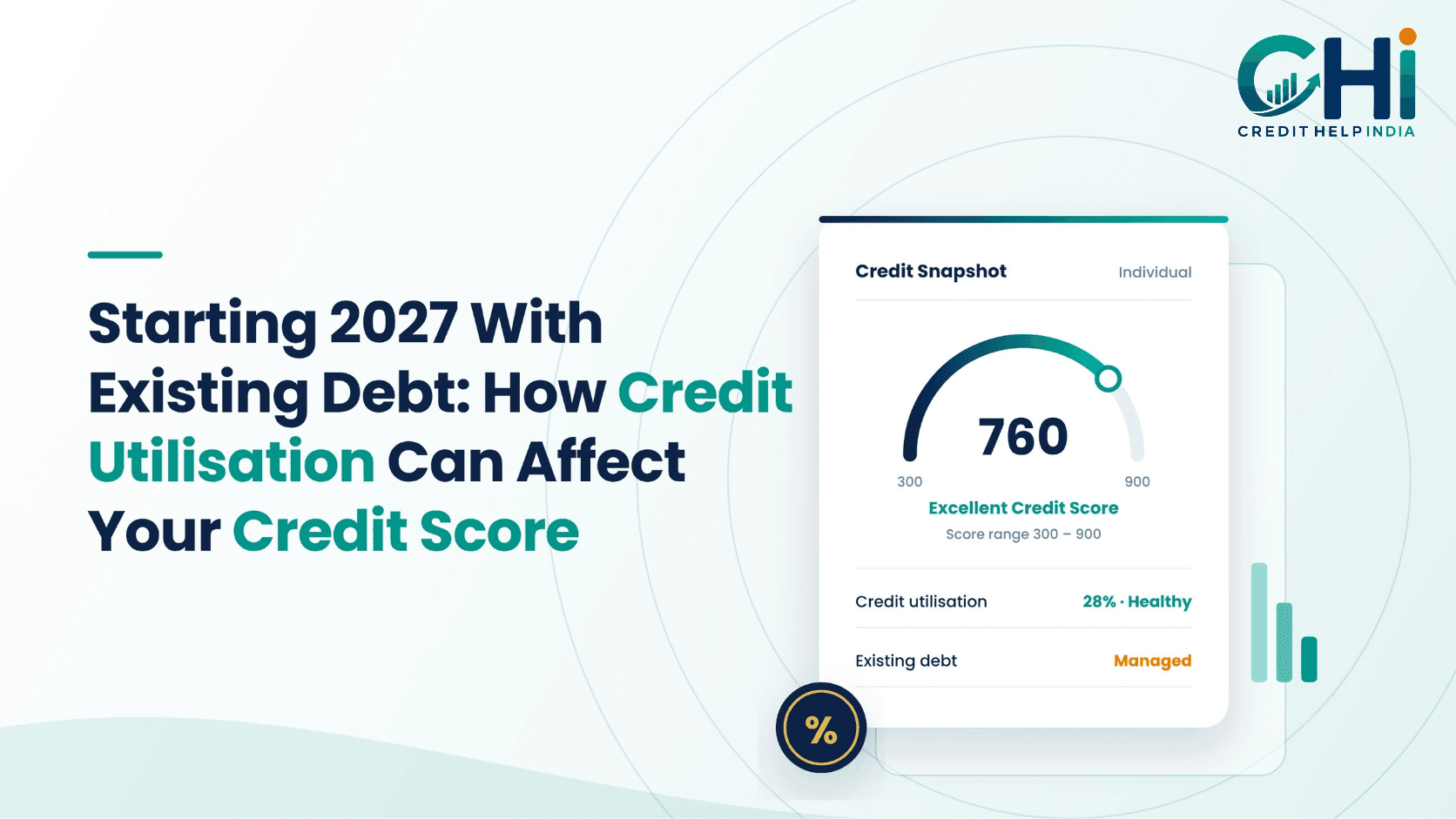
Starting 2027 with existing loans, credit card balances, or other outstanding debt does not automatically mean your credit score will fall. What matters is how much credit you are using, whether you repay your dues on time, and how your overall credit profile looks.
If you are entering the new year with existing debt, reviewing your credit utilisation and repayment behaviour can help you understand where your credit profile stands and what you can do to improve it.
How Does Existing Debt Affect Your Credit Score?
Existing debt does not automatically damage your credit score. However, high credit utilisation, missed repayments, multiple outstanding loans, and frequent credit applications can affect your credit profile.
To improve your credit score, focus on making repayments on time, reducing high credit utilisation, avoiding unnecessary credit applications, and regularly reviewing your credit report. If your report contains incorrect information, getting it corrected can also help resolve issues affecting your profile.
What Does Existing Debt Mean for Your Credit Score?
Existing debt is not necessarily a sign of poor credit behaviour. Your credit score is influenced by several factors, including repayment history, credit utilisation, credit enquiries, and information reported in your credit report.
If you have existing loans but make your repayments on time, your debt does not automatically mean you have a poor credit score. However, increasing debt, missed payments, or consistently high credit utilisation can create problems over time.
For more on maintaining healthy credit habits, read our guide on building a positive credit profile with good credit habits.
What Is Credit Utilisation and Why Does It Matter?
Credit utilisation refers to the amount of revolving credit you are using compared with your total available credit.
For example, if your credit card limit is ₹1 lakh and your outstanding balance is ₹40,000, your credit utilisation is 40%.
Consistently high utilisation can indicate greater dependence on available credit. If you are regularly using most of your available credit, it may affect your credit profile.
Credit utilisation is only one factor, however. Your repayment history, credit enquiries, length of credit history, and other information also matter.
How Can Existing Debt Affect Your Credit Score?
High Credit Utilisation:
Using a large portion of your available credit can put pressure on your credit profile. If you already have significant credit card balances, gradually reducing your outstanding amount can help you manage your utilisation more effectively.
Missed or Delayed Payments
Your repayment history is an important part of your credit profile. Missing an EMI or credit card payment can negatively affect your credit history, particularly when delays become repeated or prolonged.
If you are starting the year with existing debt, keeping your repayments on schedule should be a priority.
Multiple Outstanding Loans
Having multiple loans does not automatically mean you have a poor credit score. However, several repayment obligations can increase your overall financial burden.
Before taking additional credit, consider whether you can comfortably manage the new repayment alongside your existing EMIs.
Frequent Credit Applications
Applying for several loans or credit cards within a short period can result in multiple credit enquiries. If you are already carrying significant debt, unnecessary applications may put additional pressure on your credit profile.
Can Paying Down Debt Improve Your Credit Score?
Reducing outstanding debt can improve your overall credit position, particularly when it lowers high credit utilisation and makes your repayments easier to manage.
However, there is no instant formula for improving a credit score.
If you have a high credit card balance, focus on gradually reducing the outstanding amount while continuing to make payments on time. Avoid taking new, unaffordable credit simply to manage existing debt.
The goal should be sustainable debt management and consistent credit behaviour.
What If Your Credit Score Has Already Dropped?
If your credit score has already declined, start by understanding why.
Review your credit report and look for:
- Missed or delayed payments
- High credit utilisation
- Overdue accounts
- Multiple recent credit enquiries
- Incorrect account information
- Accounts or enquiries that do not belong to you
- Settled or written-off accounts
Not every low credit score requires credit score repair. If the information in your report is accurate, focus on improving repayment behaviour, reducing outstanding debt, and managing new credit carefully.
If your report contains inaccurate information, correcting those errors can be an important step towards improving your credit profile.
How Can You Repair and Improve Your Credit Score in 2027?
If your credit score needs improvement, focus on a few fundamental areas:
- Make repayments on time: Pay your EMIs and credit card dues according to the agreed schedule.
- Reduce high credit utilisation: Work towards lowering outstanding revolving credit instead of consistently using most of your available limit.
- Avoid unnecessary credit applications: Apply for new credit only when you have a genuine requirement and can manage the repayment.
- Review your credit report: Regularly checking your report can help you identify errors, unfamiliar accounts, or outdated information.
- Address genuine credit issues: If your report contains inaccurate information, follow the appropriate correction or dispute process.
- Be consistent: Improving a credit score takes time. Consistent credit behaviour is more important than short-term fixes.
When Should You Consider Credit Score Repair Support?
Sometimes, a low credit score is not simply the result of current borrowing behaviour.
You may need professional support if your credit report contains incorrect information, duplicate accounts, incorrect account status, or other reporting issues that you are struggling to understand or resolve.
If you are dealing with multiple credit-related issues, you can explore credit score repair support to understand the available options.
How Long Does It Take to Improve Your Credit Score?
There is no fixed timeline for improving a credit score.
The timeframe depends on what caused the decline and how quickly the underlying issue is addressed. Reducing high credit utilisation and maintaining timely repayments can gradually strengthen your profile, while reporting errors may require a separate correction or dispute process.
The important thing is to focus on sustainable improvement rather than expecting an immediate change.
FAQs
- Does existing debt reduce your credit score?
Existing debt does not automatically reduce your credit score. Its impact depends on factors such as repayment history, credit utilisation, outstanding balances, and overall credit behaviour.
- What is credit utilisation?
Credit utilisation is the amount of revolving credit you are using compared with your total available credit. Consistently high utilisation can negatively affect your credit profile.
- Can paying off debt improve my credit score?
Reducing outstanding debt can improve your overall credit position, particularly when it lowers high credit utilisation. However, the impact and timing can vary based on your complete credit history.
- How can I repair my credit score after missed payments?
Start by reviewing your credit report, bringing overdue accounts up to date where possible, maintaining timely repayments, and avoiding unnecessary new credit applications. If your report contains errors, address them through the appropriate correction process.
- How long does it take to improve a damaged credit score?
There is no universal timeline. Improvement depends on the reason for the decline, your repayment behaviour, and whether any reporting errors need to be corrected.
Frequently Asked Questions
CIBIL is a repository of information that collects and maintains the data provided by Banks and NBFCs, where individual have or had loans in the past. It has information about individual past and present repayment history and the status of individual loan accounts, personal information such as individual identity information, employment history, contact information, etc. It also keeps track of all the enquiries that individual has made for credit from various banks and financial institutions.
Get your credit fixed. Open doors to better
loans, cards, and rates.
Loan rejection, low score, no credit history or starting a new business we find what's wrong and fix it.