What Is a Good Credit Score for a Personal Loan?
What Is a Good Credit Score for a Personal Loan?
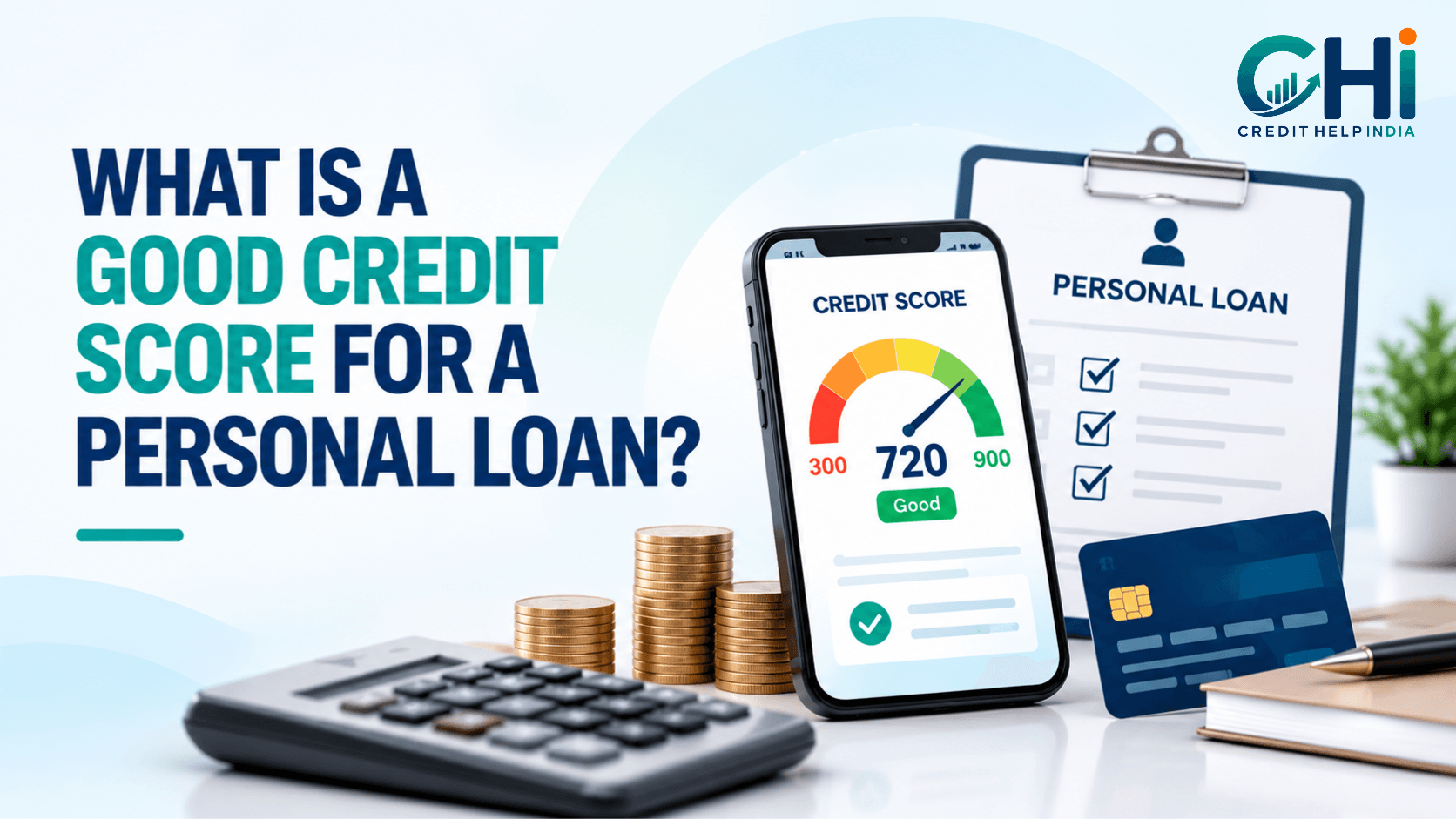
If you are planning to apply for a personal loan, your credit score can play an important role in the lender's assessment. A credit score of 750 or higher is usually seen as strong. But no score can guarantee loan approval.
The credit score required for a personal loan can vary between lenders. Your income, existing debt, repayment history, employment stability, and overall credit profile can also influence the decision.
Understanding your score before applying can help you assess your loan eligibility and avoid unnecessary applications.
What Does Your Credit Score Say About Your Credit Profile?
A credit score is a three-digit number ranging from 300 to 900 that reflects information in your credit history. Lenders use it as one of the indicators when assessing your creditworthiness.
Generally, a higher score indicates a stronger history of managing credit. However, your score should not be viewed in isolation. Two people can have the same credit score but get different loan decisions. Their income, debt, and ability to repay may differ.
What Does Your Credit Score Say About Your Credit Profile?
A credit score is a three-digit number ranging from 300 to 900 that reflects information in your credit history. Lenders use it as one of the indicators when assessing your creditworthiness.
Generally, a higher score indicates a stronger history of managing credit. However, your score should not be viewed in isolation. Two people can have the same credit score but get different loan decisions. Their income, debt, and ability to repay may differ.
Here is a general view of how different score ranges may be perceived:
750–900: Strong
Generally provides a stronger starting point for a personal loan application.
700–749: Good
May support loan eligibility, depending on the lender and your overall financial profile.
650–699: Moderate
The application may receive additional scrutiny from the lender.
550–649: Low
Loan approval may be more difficult with some lenders.
Below 550: Very Low
Lenders may apply stricter eligibility requirements.
Note:
These ranges are indicative and are not universal lending categories. Each lender may have its own eligibility criteria and risk assessment process.
Is there a minimum Credit Score for a personal loan?
There is no single minimum credit score for loan applications that every lender follows.
A score of 750 or above is generally viewed favourably, but applicants with lower scores may also be considered by certain lenders. The decision depends on the lender's policies and the applicant's wider financial circumstances.
It is also important to understand the difference between a minimum score and a good credit score.
A minimum score may be used as part of a lender's eligibility criteria. A higher score, on the other hand, can indicate a stronger credit profile and may put an applicant in a better position during the lending assessment.
For this reason, simply asking "What credit score is required for a personal loan?" does not provide the complete picture. The more useful question is whether your overall financial profile meets the lender's requirements.
How Can Your Credit Score Affect Loan Approval?
Your credit score can influence how a lender evaluates your application, particularly because personal loans are generally unsecured. However, it is only one component of the assessment.
A stronger credit profile may help in areas such as:
Loan approval:
A healthy credit history can support the lender's assessment of your creditworthiness.
Interest rate:
Depending on the lender, a stronger credit profile may help you qualify for more favourable borrowing terms.
Loan amount:
Your creditworthiness and repayment capacity may influence the amount a lender is willing to offer.
Loan terms:
A lender may apply additional conditions where concerns exist in the credit profile.
None of these outcomes is guaranteed by a particular credit score.
For example, an applicant with a score of 780 could still face difficulties if a large proportion of their monthly income is already committed to existing EMIs. In contrast, another applicant with a slightly lower score but stable income and manageable debt may have a different assessment.
What Other Factors Affect Personal Loan Eligibility?
Your credit score is only one part of your financial profile. Before approving a personal loan, lenders may consider several other factors to determine whether you can comfortably manage the repayments.
1. Income and employment
Your income gives the lender an indication of your repayment capacity. Employment status and income consistency may also be considered.
2. Existing EMIs and debt
If a significant portion of your income already goes towards loans and other financial commitments, taking on another personal loan may increase your repayment burden.
3. Repayment history
Your past repayment behaviour can provide insight into how consistently you have managed credit. Missed or delayed payments may affect how lenders view your application.
4. Credit utilisation
Using a large proportion of your available revolving credit can affect your credit profile. Managing balances responsibly can help maintain a healthier credit position.
5. Recent credit applications
Multiple loan or credit applications within a short period can result in several credit enquiries. Applying selectively can help you avoid unnecessary enquiries.
This is why personal loan eligibility should be considered as a combination of creditworthiness, repayment capacity, and lender-specific requirements rather than a single score.
Can You Get a Personal Loan With a Low credit score?
It may still be possible to get a personal loan with a low credit score, but approval can be more difficult, and the lender may apply stricter conditions.
Before applying again, it is useful to understand what may be affecting your credit profile.
Some common personal loan rejection reasons include:
- Missed or delayed repayments
- High credit utilisation
- Significant existing debt
- Multiple recent credit applications
- Insufficient or inconsistent income
- Errors in the credit report
- Not meeting the lender's eligibility criteria
If your application has been rejected, submitting several more applications immediately may not be the best approach.
Instead, review your credit report and understand the reason for the rejection. If you find inaccurate information, use the appropriate dispute process. If the information is accurate, focus on addressing the underlying financial issue.
How Can You Improve Your Credit Score Before Applying?
If your score is lower than you would like, there is no guaranteed shortcut to improve your credit score. Your credit profile reflects your credit behaviour over time, so responsible financial habits are important.
Before submitting another loan application:
- Pay your EMIs and credit card bills on time. Consistent repayments are important for maintaining a healthy credit history.
- Manage your credit utilisation. Avoid relying heavily on your available credit limit where possible.
- Review your credit report. Check account details, balances, repayment records and personal information for inaccuracies.
- Avoid unnecessary borrowing. Take new credit only when it is genuinely required.
- Limit repeated loan applications. Understand lender requirements before applying to avoid unnecessary credit enquiries.
If you are considering a credit score improvement agency, make sure you understand what assistance is actually being offered. No legitimate service can guarantee a specific score increase or guarantee loan approval. Accurate negative information cannot simply be removed from a credit report because it is inconvenient.
The appropriate approach depends on whether you are dealing with a reporting error, outstanding payment, or broader credit management issue.
Check Your Credit Score Before Applying
One of the simplest steps you can take before applying for a personal loan is to review your current credit score and credit report.
Look for:
- Outstanding balances
- Missed or delayed payments
- Incorrect account information
- Unfamiliar credit accounts
- Recent credit enquiries
Reviewing this information before submitting a loan application gives you an opportunity to address potential issues first.
It can also help you understand whether you are ready to apply or whether you should spend more time strengthening your credit profile.
Key Takeaways
- A credit score of 750 or above is generally considered strong, but there is no universal minimum score for every personal loan lender.
- Loan eligibility also depends on income, existing debt, repayment history, and lender-specific criteria.
- A low credit score does not automatically make a personal loan impossible, but it may make approval more difficult.
- Reviewing your credit report before applying can help you identify errors and understand factors affecting your credit profile.
- Responsible repayments, controlled credit utilisation, and selective borrowing can help maintain a healthier credit profile.
Check Your FREE Credit Score Here
Frequently Asked Questions
- What credit score is required for a personal loan?
There is no single credit score required by every lender. A score of 750 or above is generally considered strong, but lenders may consider applicants with lower scores based on their overall financial profile.
- Is a credit score of 700 good for a personal loan?
A score of 700 may be sufficient for some lenders, depending on income, existing EMIs, repayment history, and other eligibility requirements. It is not a guarantee of approval.
- Can I get a personal loan with a credit score of 650?
Some lenders may consider applicants with a score of 650, although approval may be more difficult and additional eligibility conditions may apply.
- What are the main personal loan rejection reasons?
Common reasons include missed repayments, high existing debt, multiple recent credit applications, insufficient income, errors in the credit report, and failure to meet lender-specific eligibility criteria.
- Does checking my credit score reduce it?
Checking your own credit score is generally treated differently from a lender's credit enquiry and does not typically reduce your score. A lender's enquiry made as part of a credit application is recorded separately.
Frequently Asked Questions
CIBIL is a repository of information that collects and maintains the data provided by Banks and NBFCs, where individual have or had loans in the past. It has information about individual past and present repayment history and the status of individual loan accounts, personal information such as individual identity information, employment history, contact information, etc. It also keeps track of all the enquiries that individual has made for credit from various banks and financial institutions.
Get your credit fixed. Open doors to better
loans, cards, and rates.
Loan rejection, low score, no credit history or starting a new business we find what's wrong and fix it.