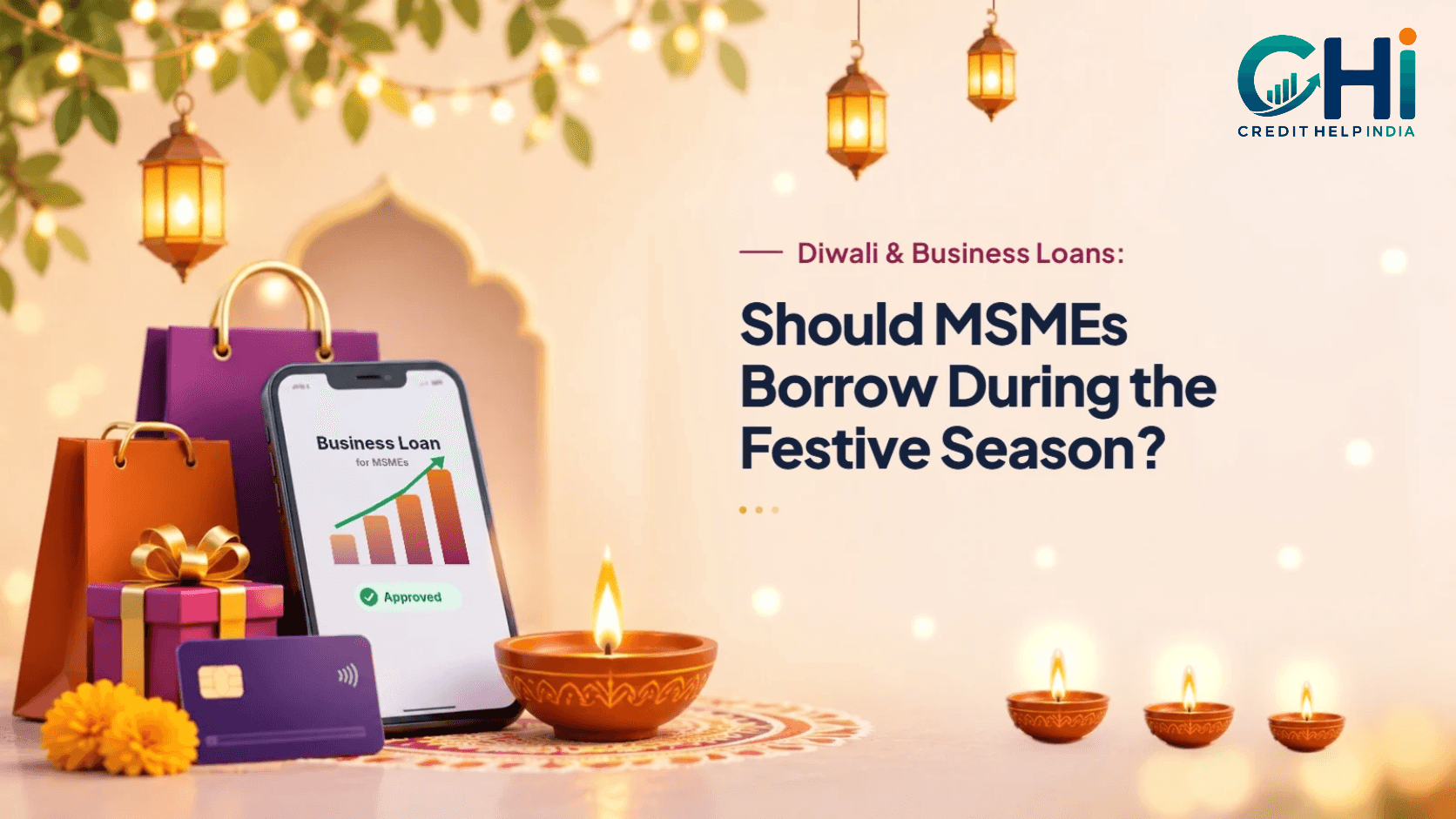
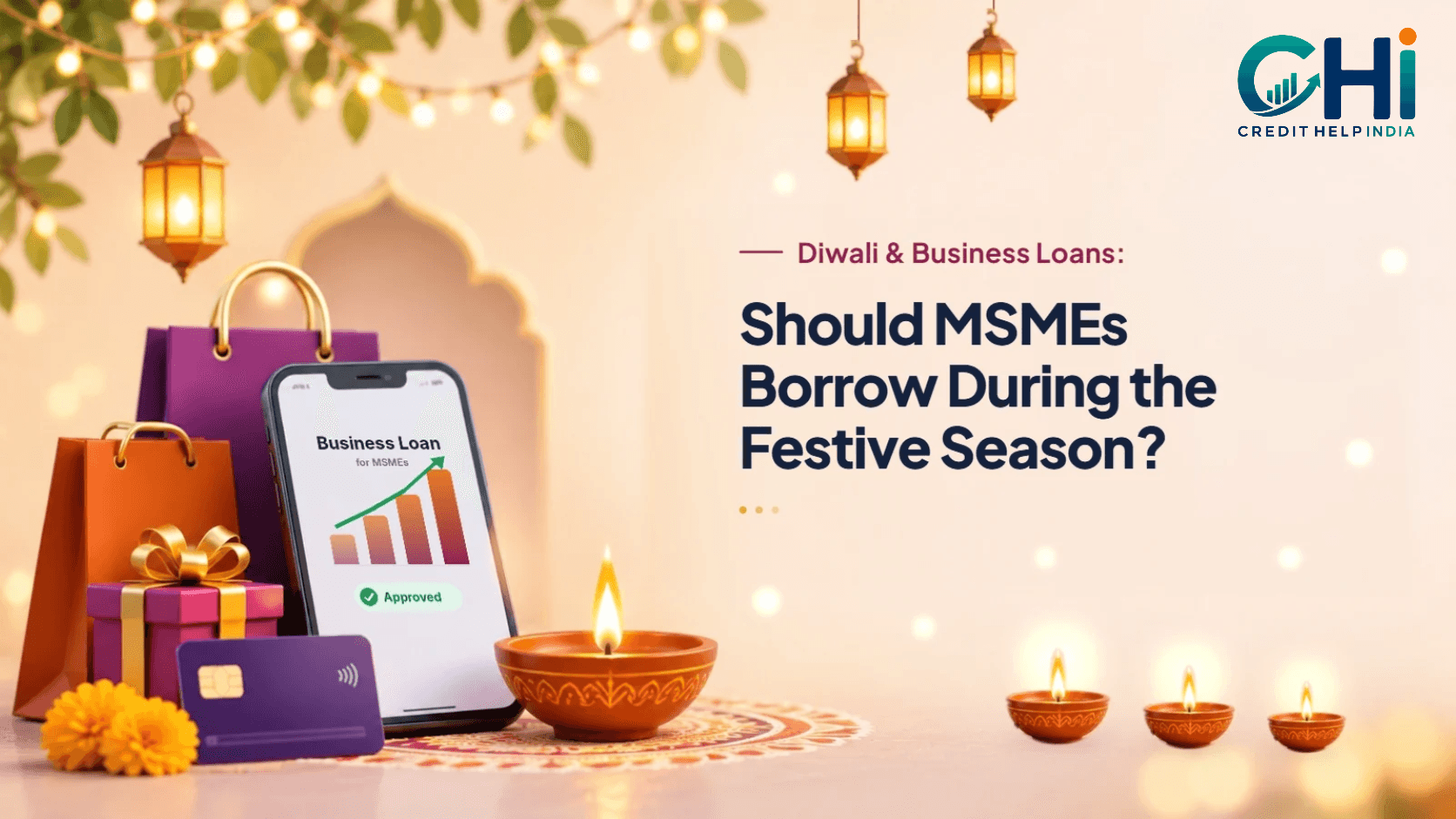
Diwali & Business Loans: Should MSMEs Borrow During the Festive Season?
Diwali is one of the busiest periods of the year for many Indian businesses. Retailers stock up on products, manufacturers increase production and wholesalers prepare for higher orders.
But higher demand also means higher working capital requirements. Businesses may need to purchase inventory, pay suppliers, increase production or manage additional operating expenses before receiving sales revenue.
So, should MSMEs take a business loan during the Diwali season?
MSMEs can consider a business loan when they have a clear working capital requirement and sufficient cash flow to support repayment. A loan can help businesses prepare for festive demand, but borrowing without a clear repayment plan can create unnecessary financial pressure.
Why Do MSMEs Need More Working Capital During Diwali?
Festive demand can increase the amount of money a business needs before it receives payment from customers.
Imagine you run a garment business and receive larger orders from retailers before Diwali. To fulfil them, you may need to purchase more fabric, increase production and pay suppliers upfront.
Your sales may increase, but the money may not come in immediately.
This creates a working capital gap, where the business needs funds today to support sales that may generate revenue later.
Current 2026 projections indicate stronger festive credit demand across several MSME segments, including FMCG, kirana, ready-made garments and consumer durables.
Can a Business Loan Help During the Festive Season?
Yes, a business loan can help eligible MSMEs manage short-term funding requirements when the expected business returns justify the borrowing cost.
Businesses may use working capital finance to:
- Purchase additional inventory
- Buy raw materials
- Manage supplier payments
- Support additional production
- Cover seasonal operating expenses
The important point is that the loan should support a planned business requirement, rather than simply provide additional spending capacity.
How Does Your CMR Rating Affect a Business Loan?
CMR, or CIBIL MSME Rank, is a business credit risk indicator for MSMEs. It ranges from 1 to 10, with lower ranks generally indicating lower credit risk.
CMR can form part of a lender's assessment when evaluating a business's creditworthiness. However, it is not the only factor considered.
Lenders may also look at the business's financial position, repayment history, existing obligations, cash flow and other information during the credit assessment.
Before applying for festive-season borrowing, an MSME should therefore understand its existing business credit profile.
Can Festive Borrowing Affect Your CMR Rating?
Taking a business loan does not automatically make your CMR worse. What matters is how the business manages its credit.
Taking appropriate credit and making repayments on time demonstrates responsible borrowing behaviour. On the other hand, excessive borrowing, missed payments or increasing credit stress can create concerns about the business's ability to manage its obligations.
This is why festive borrowing should be based on realistic sales forecasts and repayment capacity.
What Should MSMEs Check Before Taking a Diwali Business Loan?
Before applying for a business loan, consider these five questions:
- How Much Funding Do You Actually Need?
Calculate your expected inventory, raw material, supplier and operating expenses instead of borrowing more than required.
- When Will the Business Receive the Money?
Consider your sales cycle and customer payment timelines. A profitable order can still create cash-flow pressure if payment arrives much later.
- Can the Business Comfortably Repay the Loan?
Estimate the expected repayment obligation against your projected cash flows. Make sure the additional repayment can be managed even if festive sales are lower than expected.
- What Are Your Existing Credit Obligations?
Consider existing loans, credit facilities and other financial commitments before taking on additional borrowing.
- What Does Your Business Credit Profile Look Like?
Review your CMR and overall business credit profile before making a new application. This can help you understand your current position and identify potential issues.
How Can MSMEs Manage Festive Borrowing Responsibly?
A few simple practices can help businesses manage seasonal borrowing:
- Forecast festive sales using previous sales data where available.
- Borrow according to the actual working capital requirement.
- Avoid taking multiple loans without assessing the combined repayment burden.
- Maintain timely repayments on existing credit.
- Monitor inventory turnover and customer payment cycles.
- Keep a repayment buffer for slower-than-expected sales.
The goal should be to use borrowing to support profitable business activity, rather than allowing festive demand to create long-term debt pressure.
Frequently Asked Questions
- Should MSMEs take a business loan during Diwali?
An MSME can consider a business loan when it has a genuine working capital requirement, a clear use for the funds and sufficient expected cash flow to support repayment.
- Does the CMR rating affect business loan approval?
CMR can form part of a lender's assessment of an MSME's credit risk. However, lenders may also consider financial performance, repayment history, cash flows and other eligibility criteria.
- Can taking a business loan affect CMR?
Taking a business loan does not automatically lower your CMR. How a business manages its credit and repayments is important to its overall credit profile.
- What is a good CMR rating for a business loan?
CMR ranges from 1 to 10, with lower ranks generally indicating lower credit risk. However, lenders can have their own credit policies and eligibility requirements.
- How can an MSME maintain a healthy business credit profile?
Maintain timely repayments, avoid unnecessary borrowing, monitor existing credit obligations and regularly review your business credit profile.
Frequently Asked Questions
CIBIL is a repository of information that collects and maintains the data provided by Banks and NBFCs, where individual have or had loans in the past. It has information about individual past and present repayment history and the status of individual loan accounts, personal information such as individual identity information, employment history, contact information, etc. It also keeps track of all the enquiries that individual has made for credit from various banks and financial institutions.
Get your credit fixed. Open doors to better
loans, cards, and rates.
Loan rejection, low score, no credit history or starting a new business we find what's wrong and fix it.