CMR Full Form: What Is CIBIL MSME Rank and Why Does It Matter?
When a business applies for a loan, lenders look beyond its revenue and profitability. They also want to understand how responsibly the business has managed credit in the past.
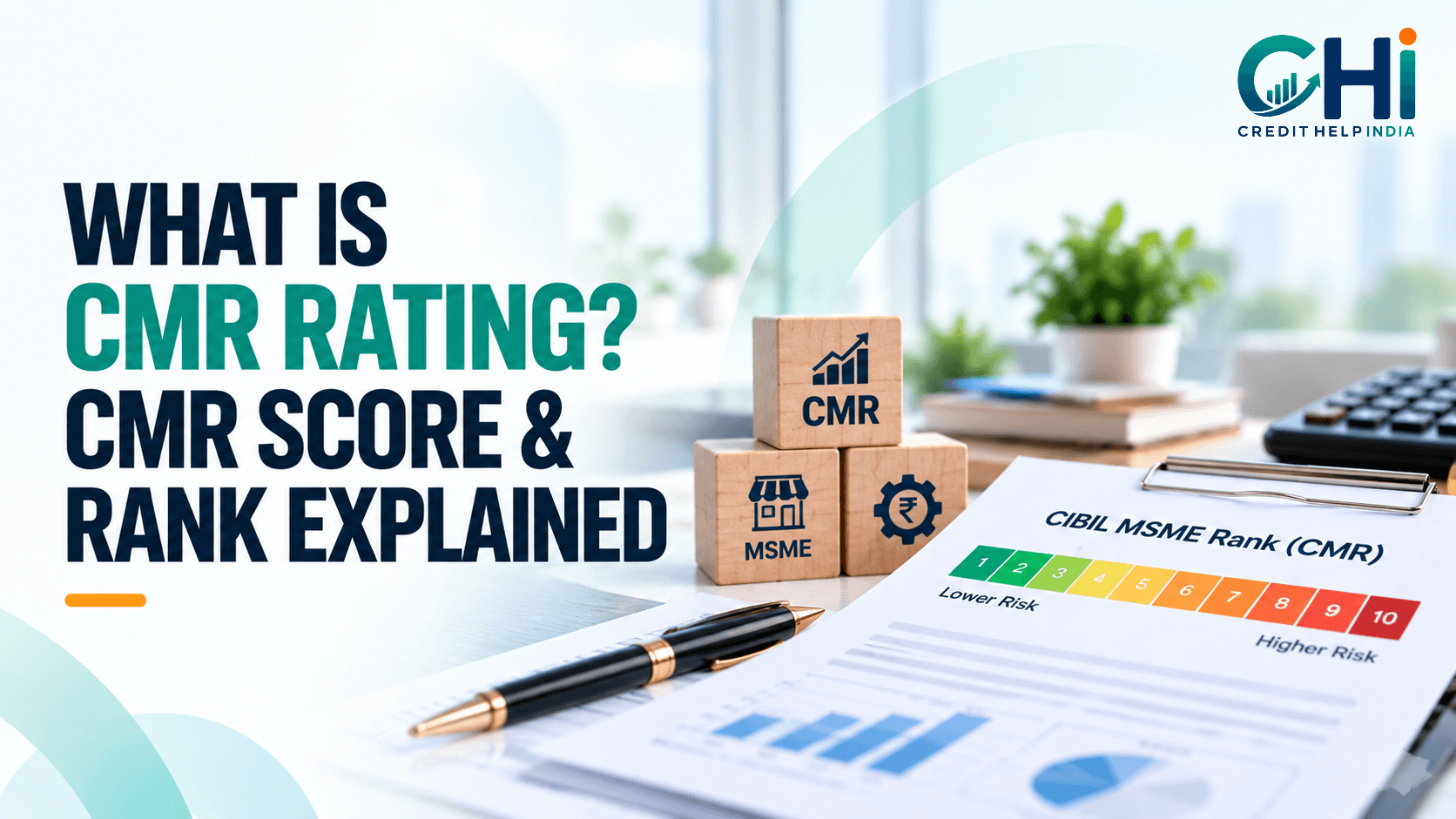
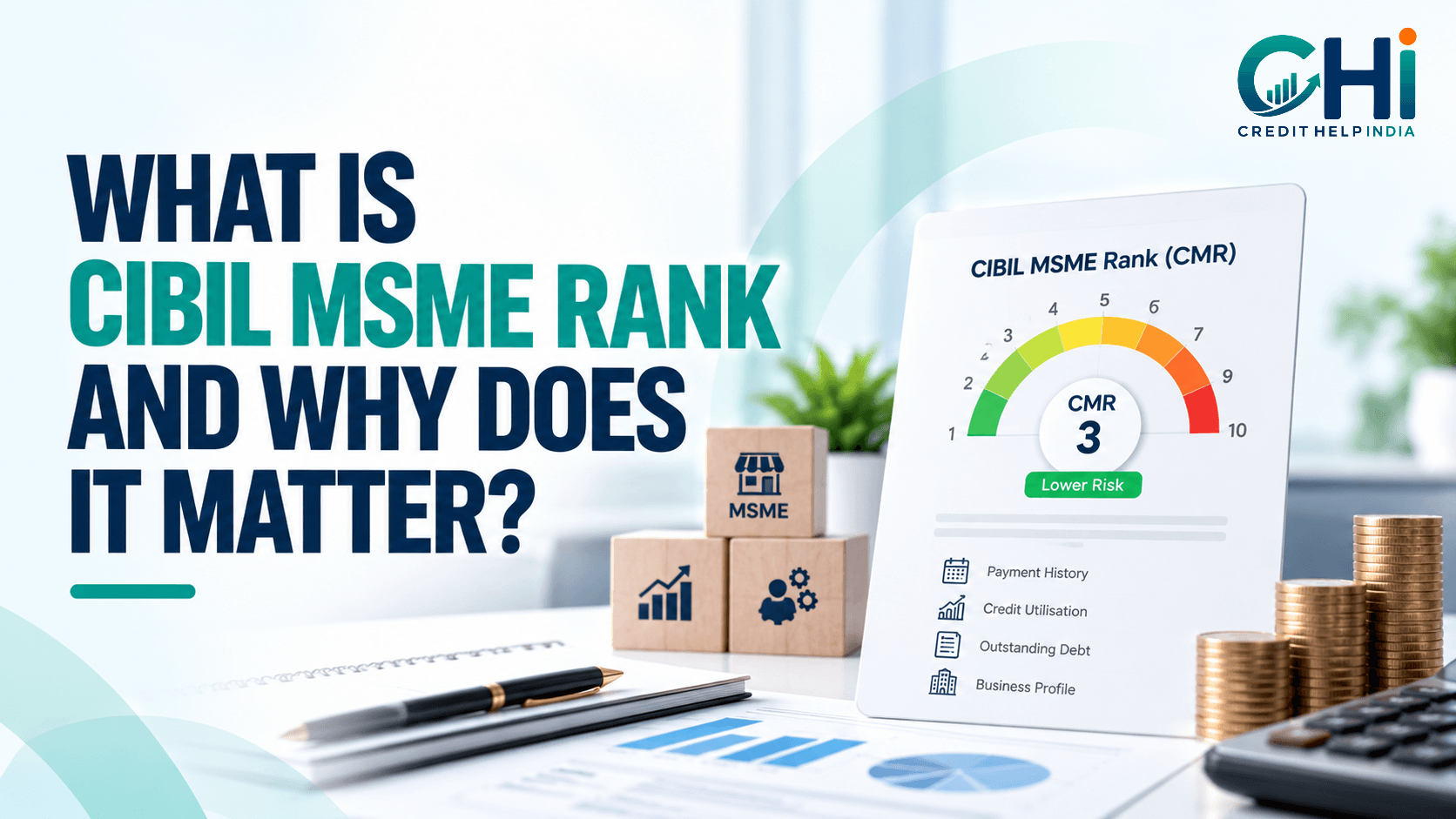
CMR stands for CIBIL MSME Rank. It is a credit risk ranking that helps lenders assess the creditworthiness of micro, small, and medium enterprises. The ranking ranges from CMR-1 to CMR-10, with a lower rank generally indicating lower credit risk.
For example, a manufacturing company may need additional working capital to fulfil a large order. Before approving the loan, a lender may review the company's repayment history, existing borrowings, and CMR rating to assess its credit risk.
Understanding CMR can help businesses identify potential credit issues and prepare better before applying for finance.
What Is CMR?
CMR stands for CIBIL MSME Rank. It is a credit risk ranking used to assess the credit profile of micro, small, and medium enterprises.
Unlike an individual credit score, CMR uses a ranking system from CMR-1 to CMR-10.
A lower rank generally indicates lower credit risk, while a higher rank indicates greater perceived risk.
CMR is only one part of a lender's assessment. Loan decisions can also depend on factors such as income, existing debt, repayment capacity, and business financials.
What Is CMR Rating?
A CMR rating indicates the level of credit risk associated with a business based on its reported credit history and borrowing behaviour.
It helps lenders understand how a business has managed its credit obligations. A company with consistent repayments may present a different risk profile from one with repeated overdue payments or other signs of financial stress.
The CMR rating should not be confused with a conventional credit score. It is a specific ranking designed to help assess the credit risk of businesses.
How Is CMR Used in Business Credit Assessment?
When a business applies for working capital, equipment finance, or another form of business loan, the lender needs to assess its ability to manage additional credit.
The CMR rating can form part of this assessment. Lenders may also consider:
- Repayment history
- Existing loans and credit facilities
- Outstanding obligations
- Credit utilisation and borrowing patterns
- Overall business credit profile
- Financial and business information
For instance, if a business has repeatedly missed loan repayments, this could raise concerns during a future credit assessment. Reviewing the business credit profile regularly can help identify such issues earlier.
What Do Different CMR Ranks Mean?
CMR ranges from 1 to 10. Broadly, the ranks can be understood as follows:
- CMR 1-4: Lower Risk
Generally indicates a stronger credit profile and lower perceived credit risk.
- CMR 5-6: Moderate Risk
May lead lenders to examine the business's repayment history and financial position more closely.
- CMR 7-10: Higher Risk
Generally indicates greater perceived credit risk and may make it harder to obtain finance with some lenders.
These are broad interpretations. A CMR rank does not guarantee loan approval or rejection because every lender has its own assessment criteria.
Why Does CMR Matter for Business Loans?
A strong business credit profile can be important when a company needs additional funding.
CMR may be relevant when businesses apply for:
- Working capital
- Business loans
- Equipment finance
- Increased credit limits
- Renewal of existing credit facilities
- Pre-Shipment Finance
- Post-Shipment Finance
- Credit Guarantee Scheme for Exporters
Imagine a business preparing for its busiest quarter and planning to apply for additional working capital. Checking its CMR rating beforehand can help the finance team identify potential credit issues before approaching a lender.
However, CMR is not the only factor that determines whether a business qualifies for a loan. Lenders may also assess cash flow, income, existing obligations, documentation, and repayment capacity.
How Can a Business Check Its CMR Rating?
A business can access its commercial credit information through the relevant credit reporting services.
When conducting a CMR rating check, businesses should review:
- Existing credit facilities
- Repayment history
- Outstanding balances
- Business details
- Any inaccurate or unfamiliar information
If you find incorrect information, raise it through the appropriate dispute process and follow up with the relevant reporting institution.
Checking your credit profile before applying for a loan gives you time to address potential issues rather than discovering them during the lending process.
What Can Affect Your Business Credit Profile?
Several aspects of a company's credit behaviour can affect how lenders view its credit profile.
These may include delayed or missed repayments, outstanding obligations, borrowing patterns, and the overall management of existing credit facilities.
For example, a business experiencing delayed customer payments may struggle to meet its own loan repayments. Better cash-flow planning and monitoring repayment dates can help businesses manage these obligations more effectively.
How to Improve Your Business Credit Profile?
Businesses looking to strengthen their credit profile should focus on consistent financial and credit management.
Some practical steps include:
- Pay credit obligations on time and monitor repayment dates.
- Manage existing borrowing so that repayments remain affordable.
- Monitor your business credit report regularly.
- Correct inaccurate information reported on the credit profile.
- Avoid unnecessary borrowing and assess repayment capacity before taking on new debt.
- Maintain consistent financial records to support future credit applications.
These practices can support better credit management, but they cannot guarantee a particular CMR rating or a specific improvement within a fixed period.
CMR Rating vs Business Credit Score
A business Credit Rating and CMR rating both relate to business credit assessment, but they are not the same thing.
A business Credit Rating is generally a numerical measure of creditworthiness, while CMR is a specific credit risk ranking from CMR-1 to CMR-10.
Understanding the difference can help business owners and finance teams interpret their credit information more accurately.
Your business credit profile can influence how lenders assess your application for finance. Checking it regularly can help you identify potential issues and make more informed borrowing decisions.
Check Your Business Credit Score and CMR with Credit Help India.
Frequently Asked Questions
- What is the full form of CMR?
CMR stands for CIBIL MSME Rank. It is a credit risk ranking used for MSMEs.
- What is a good CMR rating?
CMR-1 to CMR-4 generally represent the lower-risk range. However, lenders consider other factors when assessing a business loan application.
- How can I check my CMR rating?
Businesses can access their commercial credit information through relevant Credit Bureau services.
- How can I improve my CMR ?
Timely repayments, responsible borrowing, regular credit monitoring, and correcting inaccurate information can support better business credit management.
Frequently Asked Questions
CIBIL is a repository of information that collects and maintains the data provided by Banks and NBFCs, where individual have or had loans in the past. It has information about individual past and present repayment history and the status of individual loan accounts, personal information such as individual identity information, employment history, contact information, etc. It also keeps track of all the enquiries that individual has made for credit from various banks and financial institutions.
Get your credit fixed. Open doors to better
loans, cards, and rates.
Loan rejection, low score, no credit history or starting a new business we find what's wrong and fix it.